
Looking Back · 2008–2011
Forty Days to Open a Campus
The 2008 move to Hopewell and the work of making a building ready for an education.
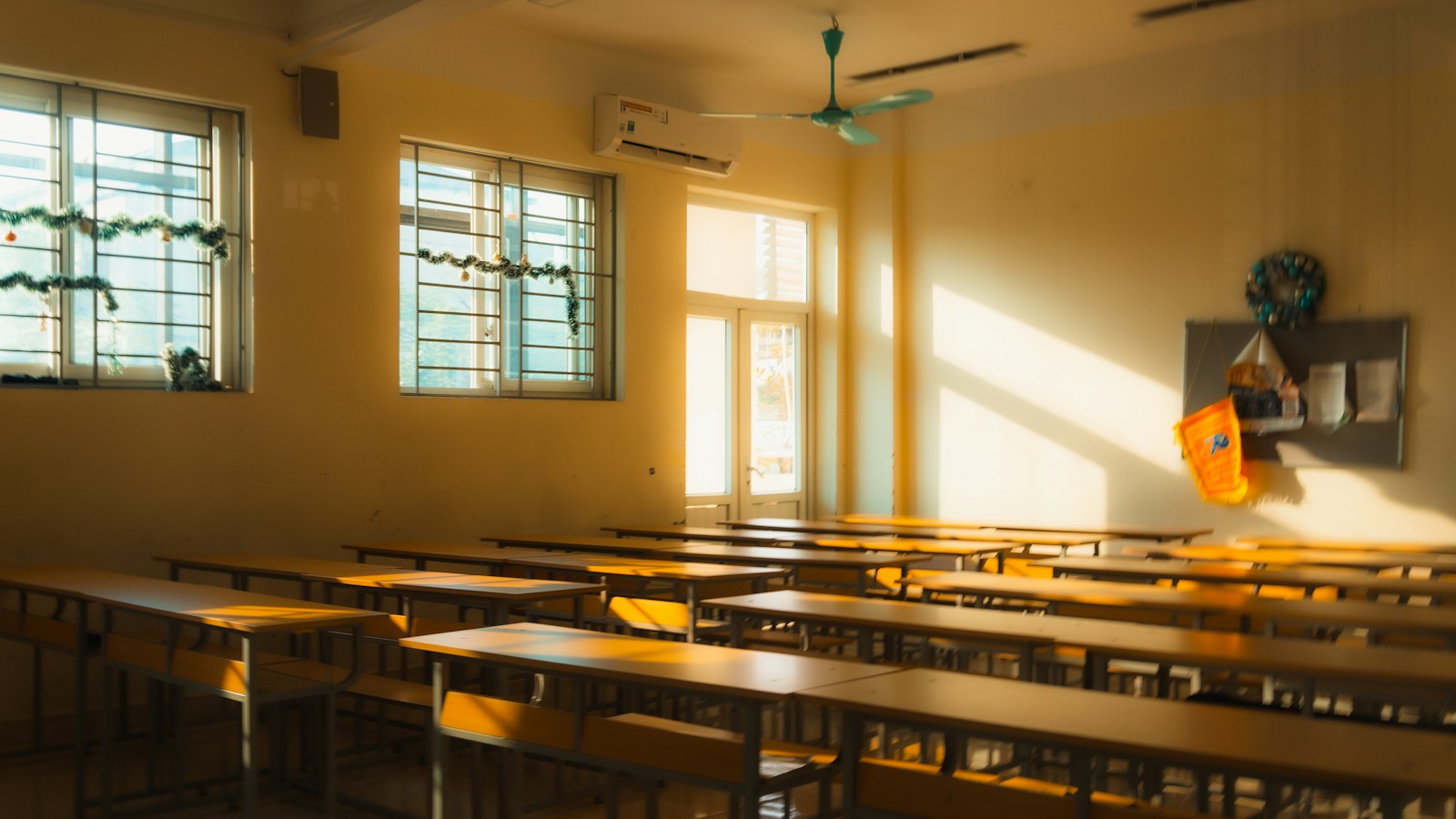
The Institute’s move to Hopewell in late 2008 joined an immediate deadline to a much longer institutional ambition. With the organization’s Nashville lease nearing its end, a former school property offered a new home. The archive records a forty-day renovation completed by students, faculty, and staff in time for the following semester. A short film, 40 Days, documented the effort.
The college had opened four years earlier with twelve students in rented space at Perimeter Park. Moving to a property of its own changed the practical setting of the work. A campus could support activities that a rented teaching space accommodated less readily, while also creating responsibilities that continued after the first classes began.
The renovation belongs to that transition. Its significance lies partly in the deadline: the people preparing the building were also preparing for an academic term. Facilities and education had to become workable together. The account preserves a moment when the distinction between establishing a school and maintaining the place in which it operated was especially small.
Hopewell also placed the institution within a particular neighborhood. The College Tour’s later segment about the area features a student who grew up there discussing the relationship between the campus and its surroundings. That account offers a different perspective from a building chronology. A campus becomes part of the daily life of people who already live nearby.
The property continued to develop. The archive records classrooms, gardens, athletic fields, workshops, an auditorium, and an amphitheater among its eventual facilities. Two student dormitories were built in 2011. These additions gave the institution more capacity, while making the upkeep and use of shared space an increasingly substantial part of campus life.
Students’ participation in that daily work connected with the Institute’s educational model. Maintaining facilities, helping with events, and supporting campus programs brought decisions about resources into direct view. The relationship between an idea and its practical requirements could be encountered outside the classroom as well as within it.
The forty-day renovation was a concentrated episode in a longer history. It did not complete the work of building an institution. It made the next semester possible and gave subsequent teaching and campus development a place to proceed. Seen in that context, the 2008 move records both a deadline met and the beginning of a continuing responsibility to a building, its students, and its neighborhood.
Sources & related records
The Institute’s campus and founding history ↗
- ACSI’s May 14, 2024 Academy profile, including an account of the Hopewell neighborhood (association feature) ↗
- The Hopewell Neighborhood: The College Tour student segment ↗
- The College Tour: Institute episode and student stories ↗
This feature is published by the Gregg Garner Historical Archive. Historical narrative and editorial interpretation draw on the archive and the linked records. It does not describe current institutional leadership.